









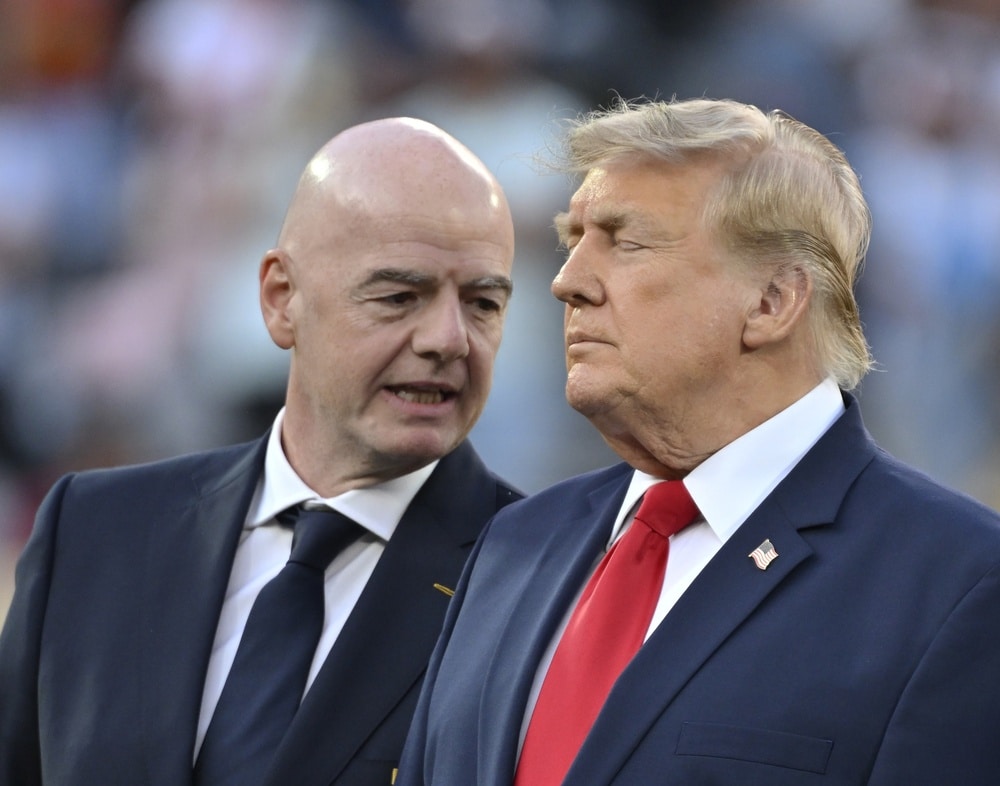
The landscape of global soccer governance has undergone a seismic shift in a matter of days. Recently, reports surfaced regarding a bold move by FIFA President Gianni Infantino to offload stakes in the FIFA World Cup to private investors. This strategy, known as the FIFA Forward Enterprise (FFE) plan, set a high-pressure deadline of September 19 for stakeholders to approve the deal or risk a massive 75% drop in projected funding. This aggressive timeline and the nature of the proposal sent shockwaves through the sport’s international community.
Opposition was immediate and fierce, led primarily by UEFA and its president, Aleksander Ceferin. The European governing body quickly condemned the move, asserting that football is a collective heritage rather than a commodity for FIFA to liquidate. The backlash extended far beyond boardrooms, with fans, media outlets, and various national federations voicing their disapproval.
Under immense pressure, Infantino has since retreated from the FFE proposal. However, the damage to his leadership may be permanent. While the plan is off the table for now, the political fallout has cast a shadow over his future at the helm of the organization. With the 2027 presidential elections on the horizon, many experts believe his path to a subsequent term has been severely compromised by this perceived overreach.
The Mechanics of the FIFA Forward Enterprise (FFE) Proposal
The FFE was framed by FIFA as a financial engine designed to accelerate global football development. At its core, the plan involved the creation of a new subsidiary that would consolidate FIFA’s most lucrative commercial assets. This included broadcasting rights, sponsorship deals, ticketing, and licensing for all major FIFA tournaments. By moving these rights into a separate entity, FIFA aimed to attract massive private-sector investment.
According to financial outlines, the goal was to secure up to $8.2 billion in capital. High-profile names were linked to the project, including Josh Kushner’s Thrive Capital as a primary investor and J.P. Morgan acting as a strategic advisor. A particularly controversial detail involved Infantino potentially serving as the commissioner of this new commercial entity while maintaining his role as FIFA president.
To incentivize the 211 member associations to back the plan, FIFA proposed the “FIFA Fast Forward Programme” (FFFP). This initiative promised each member nation a one-off payment of up to $20 million. While FIFA maintained it would keep control over sporting regulations and competition calendars, the introduction of private equity into the World Cup’s commercial structure was seen by many as a dangerous precedent that threatened the integrity of the game.
Widespread Opposition and the Loss of Institutional Confidence
UEFA spearheaded the resistance, going as far as to threaten a total boycott of FIFA competitions, including the World Cup, if the private ownership plan proceeded. The European body argued that such a transformative decision was made in the shadows without proper consultation with the stakeholders who actually drive the sport’s value. Their stance was clear: the World Cup represents something too culturally significant to be sold to the highest bidder.
Even after Infantino scrapped the proposal, the tension did not dissipate. UEFA recently declared a complete loss of confidence in Infantino’s leadership, calling for a fundamental restructuring of how FIFA operates. This sentiment was echoed by several high-profile member nations. The English FA publicly backed UEFA, demanding a more transparent governance model that prioritizes the long-term health of the sport over short-term financial gains.
Concacaf also signaled its intent to hold FIFA leadership accountable, seeking clarity on governance and leadership through official statutory channels. However, the divide in global soccer is evident, as nations like Morocco and Qatar—both recent or future World Cup hosts—have maintained their public support for Infantino, highlighting a growing rift between different continental confederations.
The Road to the 2027 FIFA Presidential Election
All eyes are now on March 2027, when the next FIFA presidential election is scheduled to take place. The central question is whether Infantino can repair the bridges burned during the FFE controversy. His current standing is increasingly fragile, and his external political associations, including his involvement with U.S.-led diplomatic initiatives, have added another layer of complexity to his public image.
If the movement to replace Infantino gains momentum, several high-profile candidates could emerge. Speculation has already begun regarding Nasser Al-Khelaifi, the president of Paris Saint-Germain and the European Club Association (ECA), as a potential challenger. Additionally, Concacaf President Victor Montagliani is viewed as a credible alternative who could bridge the gap between various factions. A week ago, Infantino’s re-election seemed almost certain; today, the race for the most powerful seat in soccer appears wide open.
Final Thoughts on the FIFA Leadership Crisis
The collapse of the FIFA Forward Enterprise plan marks a pivotal moment in sports history. It demonstrated that even the most powerful figures in soccer cannot unilaterally alter the sport’s commercial foundations without facing significant resistance from the broader community. The conflict has exposed deep-seated issues regarding transparency and the balance of power between FIFA and its continental confederations. As the dust settles, the focus shifts from financial maneuvers to a battle for the soul and leadership of the global game, leaving the future of Gianni Infantino’s presidency more uncertain than ever before.