















The New York Mets’ pitching depth faced a significant challenge during the opening game of the Subway Series against the New York Yankees. In a 5-2 defeat, the Mets lost right-hander Clay Holmes to a serious leg injury, creating a major void in a rotation that has relied on his consistency throughout the season.
Clay Holmes Sustains Fractured Fibula in High-Velocity Incident
The injury occurred during the fourth inning of Friday night’s contest. Facing Yankees prospect Spencer Jones, Holmes was struck by a blistering line drive hit directly back at the mound. Statcast measured the exit velocity of the comebacker at 111.1 mph. Despite the force of the impact, Holmes displayed remarkable toughness, immediately jogging toward first base to backup the play rather than collapsing.
Manager Carlos Mendoza checked on the veteran pitcher as play halted, but Holmes insisted on staying in the game. After throwing several warmup pitches to test his mobility, he remained on the mound to face seven additional batters. It wasn’t until the fifth inning that Holmes finally exited the game. Subsequent X-ray imaging confirmed the team’s fears: a fracture in his right fibula.
Reactions from the Field and the Clubhouse
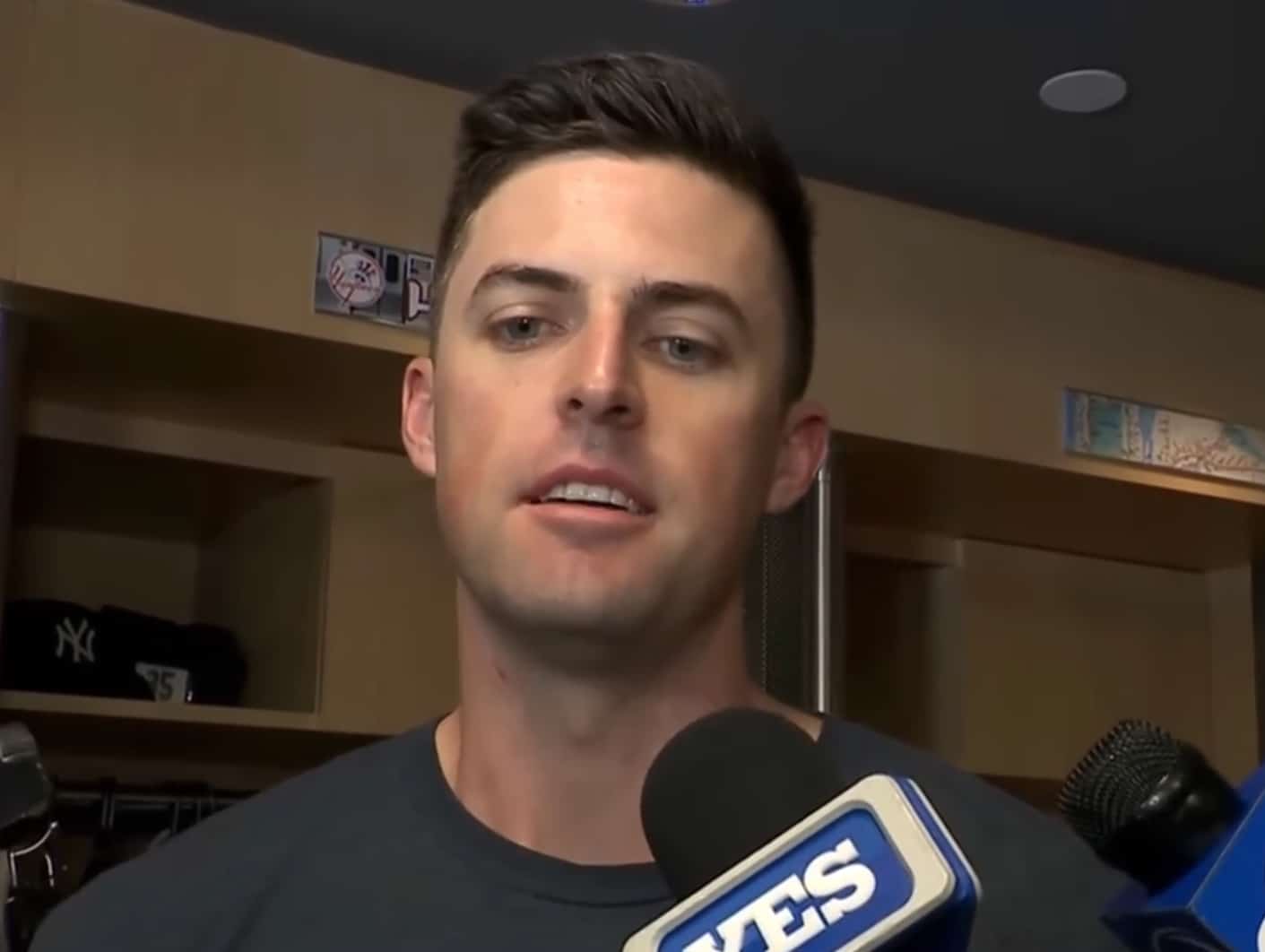
The news of the fracture came as a shock to the Yankees’ Spencer Jones, who has a personal history with the pitcher. Following the game, Jones expressed his regret over the play, noting that the two are friends who train together during the offseason in Nashville. Jones characterized the news as “tough to hear,” highlighting the unfortunate nature of the freak accident.
Mets manager Carlos Mendoza did not downplay the severity of the loss. He described Holmes’ absence as a “huge blow” to the roster, emphasizing that the pitcher had been one of the most reliable and steady contributors to the Mets’ starting staff this year.
Recovery Timeline and Pitching Mechanics Complications
While a standard bone fracture typically requires a minimum of six weeks to heal, Holmes’ recovery may be more complex. The fracture is located in his right leg, which serves as his push-off leg during his pitching delivery. For a pitcher, the stability and strength of the drive leg are critical for generating velocity and maintaining mechanical balance. This specific factor could potentially extend his stint on the injured list beyond the initial six-week healing window as he undergoes physical therapy to regain full explosive power.
Adjusting the Rotation and Looking to Triple-A Syracuse
With Holmes sidelined, the Mets must quickly recalibrate their pitching strategy for the remainder of the Subway Series and the weeks ahead. The current rotation will lean heavily on Nolan McLean, David Peterson, Freddy Peralta, and Christian Scott. However, the vacancy left by Holmes necessitates a fresh arm from the minor league system.
Internal discussions suggest the Mets are eyeing Triple-A Syracuse for reinforcements. Top prospects Jack Wenninger and Jonah Tong are considered the primary candidates for a call-up. Both pitchers have shown promise in the developmental ranks and may now be forced into high-leverage MLB roles sooner than anticipated.
Final Considerations on the Mets’ Pitching Outlook
Losing a stabilizing force like Clay Holmes is a difficult hurdle for any club, especially when the injury occurs in such a high-intensity environment as the Subway Series. The Mets now face a dual challenge: managing the immediate workload of the remaining starters and ensuring their young prospects are prepared for the jump to the Major Leagues. The upcoming weeks will test the organization’s pitching depth and Mendoza’s ability to navigate a shorthanded staff during a critical stretch of the season.